What It Takes to Lead the Evolution of Healthcare
What kind of leaders are needed to shape the future of healthcare—leaders who can transcend differences in countries, cultures, and values and work together with colleagues around the world?
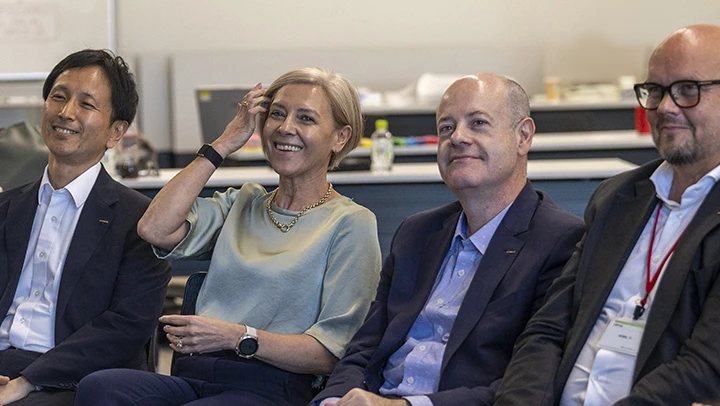
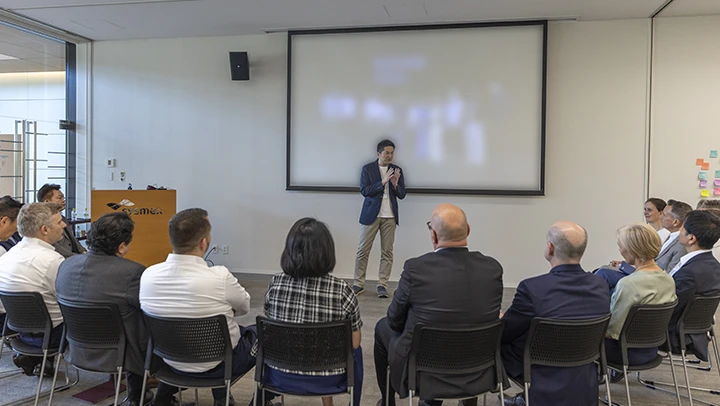
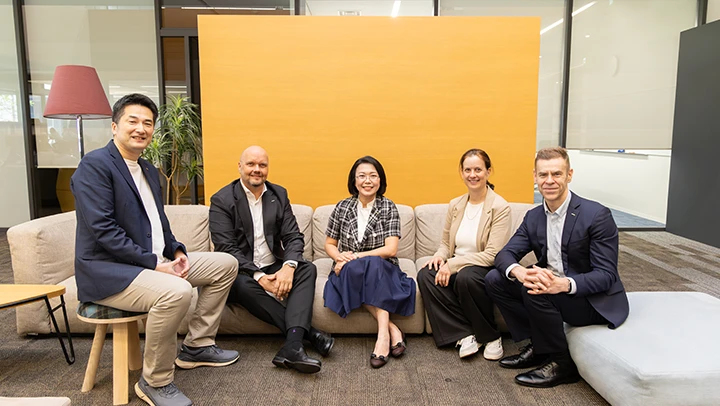
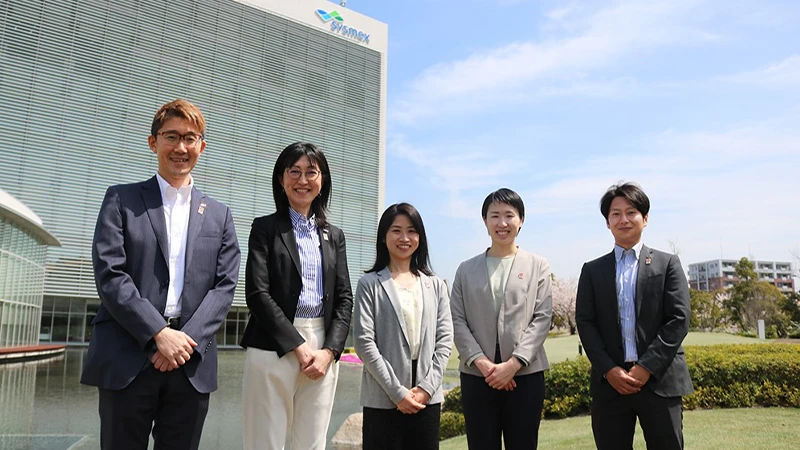
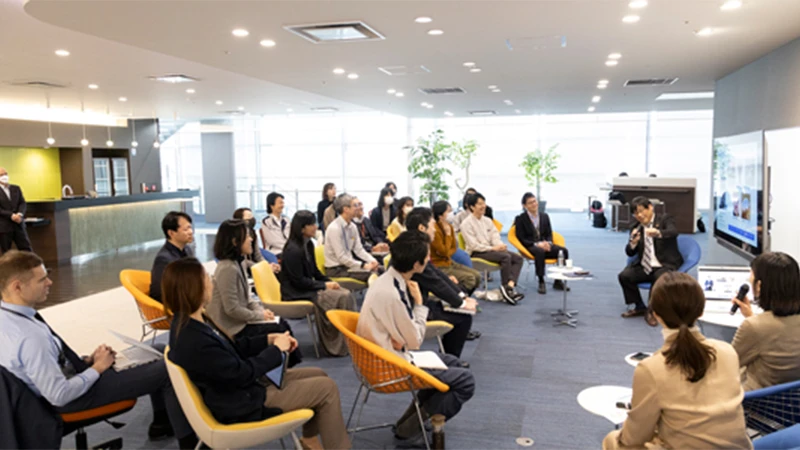
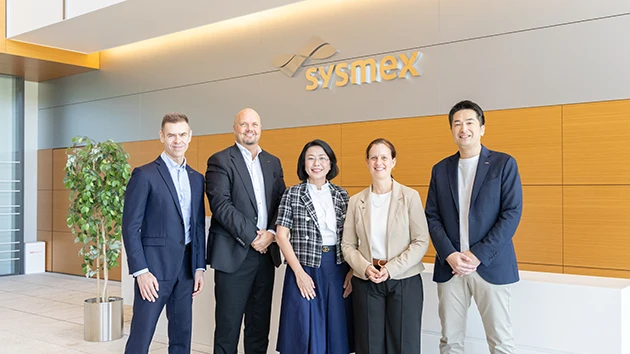
In 2025, Sysmex launched KIZUNA, a program designed to develop the next generation of global leaders. Over approximately 14 months, 13 senior managers selected from around the world participated in this program. By engaging deeply with one another’s values and experiences, it became a unique opportunity to collectively explore the kind of leadership needed for the future of Sysmex. Kizuna, meaning “bond” in Japanese, reflects the desire to foster meaningful and enduring connections between people. The program is characterized not only as a place for learning, but also as a place for building human connections.
In this article, we trace the journey by exploring the voices of those involved in “KIZUNA.”
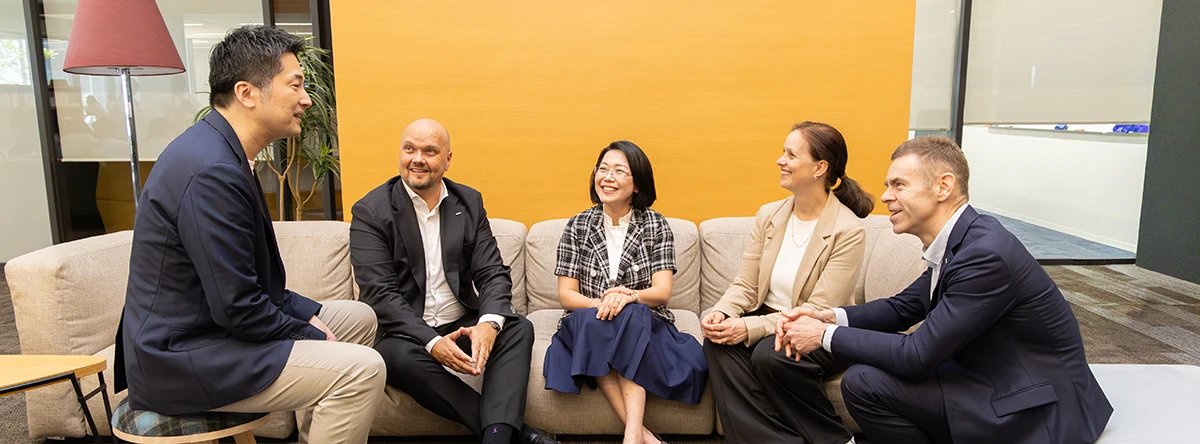
Ideal Leadership Envisioned Through KIZUNA
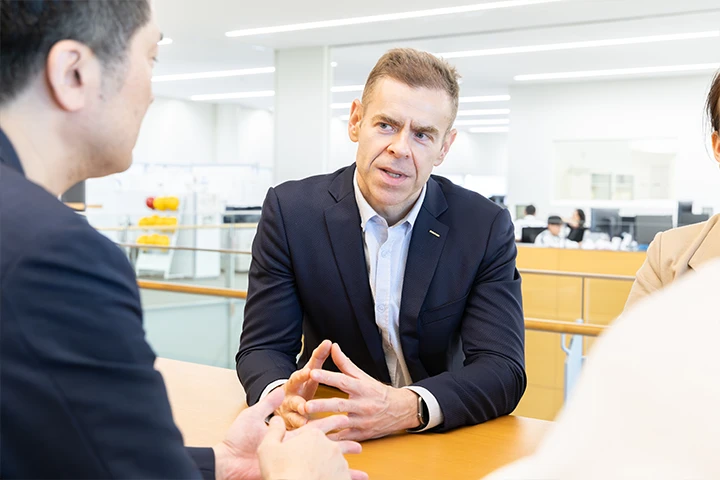
Ian Lee Rodgers
Senior Planner, Human Resources Division Sysmex Corporation
The leadership training provided prior to KIZUNA had been mainly focused on regional and local approaches. However, in order for Sysmex to continue expanding globally, we believed it was necessary to cultivate a group of leaders who share common perspectives and values across regions.
We are currently shifting from a phase of “growing globally” to one of “connecting and co-creating globally.” This shift makes leaders who can understand diverse cultures and values—while promoting cross-functional and cross-regional collaboration—essential. At the same time, rapid changes can also be seen in the healthcare industry in terms of technological advancements and evolving healthcare demands. In such uncertain conditions, we need to ensure that our future leaders are able to adapt to these sudden changes and guide the organization forward.
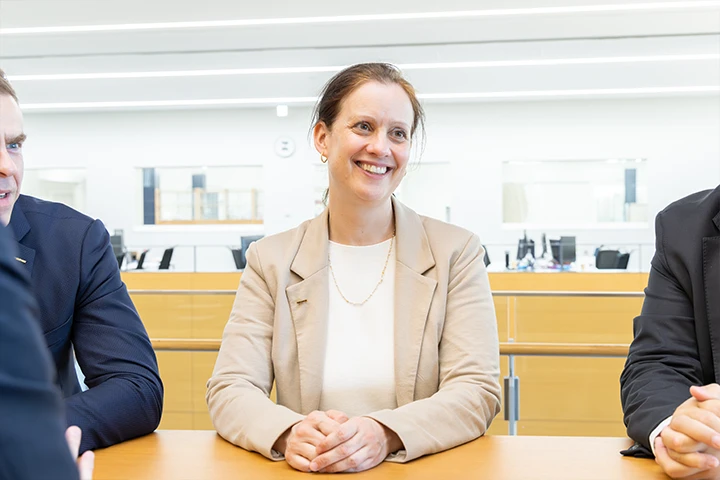
Alexandra Zervos
Head of EMEA People & Culture Development,
Sysmex Europe SE
KIZUNA places great importance on being a place to connect with people. For example, the participants were assigned a cultural project to research how our corporate philosophy, the Sysmex Way, is understood and practiced across different regions within the organization. Over the course of approximately one year, participants engaged in ongoing discussions that went beyond national and organizational boundaries. This process provided an opportunity to reexamine what the Sysmex Way means to them personally and to think deeply about how they would put it into practice in their respective locations. Engaging with colleagues who hold diverse perspectives and learning through collaboration—this very process is what we believe constitutes the greatest value of the program.
Comments from Participants
Connecting People, Perspectives, and Purpose Across Boundaries
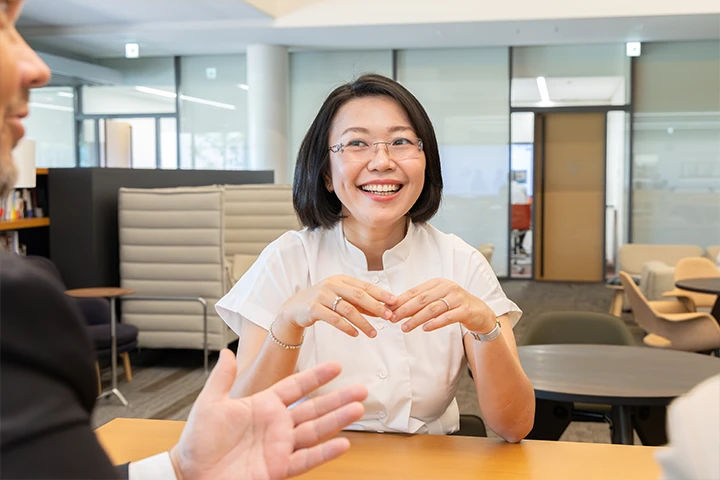
Emilani Nababan
President Director, PT. Sysmex Indonesia
Leadership is about guidance. As someone leading an organization in Indonesia—where healthcare systems and market conditions vary greatly by region—I had long believed that to be true. However, after going through the program, I now feel that it is not about simply directing others. Rather, it is about creating an environment where team members feel motivated to perform at their best and naturally move forward toward shared goals, even without being directed. To me, a global leader is someone who can connect people, perspectives, and purpose across boundaries. My exposure to diverse perspectives across regions reinforced that while markets, cultures, and challenges may differ, we are all working toward a shared purpose. Through this experience, I now have a better idea of what I should be doing in my own role and environment.
Think Global, Act Local
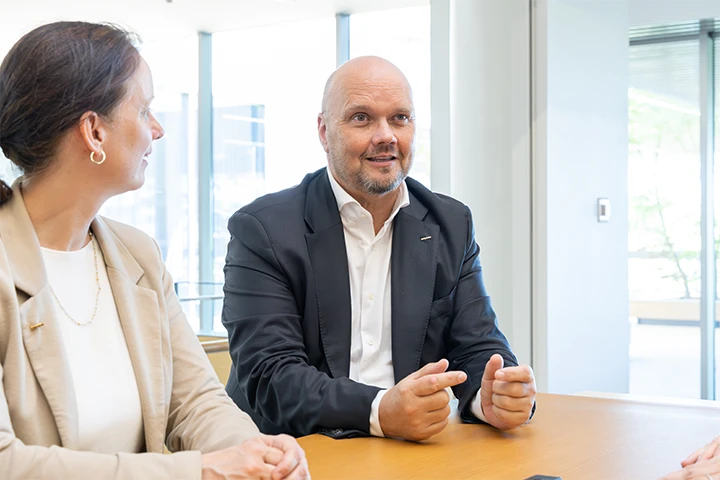
Ulf S. Skimmeland
Senior Executive Officer and Member of the EMEA Board, Sysmex Europe SE
What left a strong impression is that even though the healthcare environment and business conditions differ across countries and regions, many of the core challenges leaders face are shared. In regions like EMEA (Europe, the Middle East, and Africa), where I am responsible for driving business across multiple countries and markets, I am constantly reminded of the need to tailor our approaches to the specific healthcare challenges of each region. At the same time, however, I have come to believe that it is equally important not only to focus on individual differences, but also to consider how to view the bigger picture as a whole.
Through KIZUNA, I have become more strongly aware of the importance of “Think global, act local.” It has been an opportunity for me to reaffirm the fundamental importance of balancing a global perspective with actions that are grounded in the realities and pace of each local region.
Building Team Strength Through Mutual Understanding and Trust
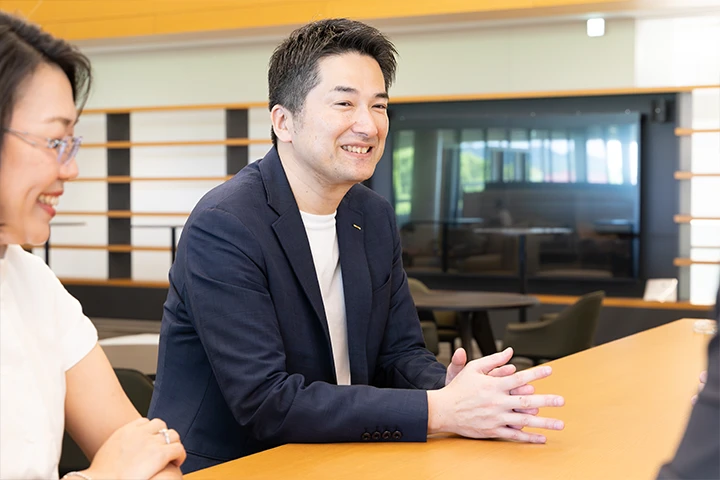
Satoru Oto
Executive Vice President, Corporate Business Planning Sysmex Corporation
I have built my career both through overseas assignments in Asia and at the headquarters in Japan. Through these experiences, I have come to realize that achieving truly global team management requires not only initiatives from headquarters, but also shifts in the mindset of team members in overseas locations. A key challenge for me moving forward is finding how to encourage such changes from headquarters.
At the same time, this program has also given me confidence that it is entirely possible for diverse members to develop mutual understanding and stronger teamwork.
Going forward, I aim to help build an organization where we can demonstrate strong teamwork founded on trust and close bonds. At the same time, I hope to personally embody the dynamism and excitement of working in a global company and share that with those around me.
Maintaining KIZUNA Across Each Location
In May 2026, the first cohort of the KIZUNA Program completed the final module in Kobe.