How Blood Test Data Is Driving AI-Powered Healthcare Transformation
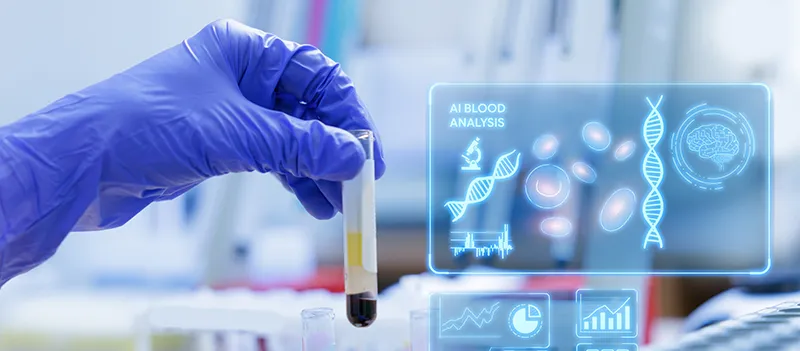
Global population growth and aging societies are now driving greater demand for healthcare, which is also becoming increasingly sophisticated and complex. This has created an urgent need to secure an adequate number of healthcare professionals and improve sustainability of healthcare systems. These needs have led to heightened expectations for prevention and for early detection that identifies signs of disease at the earliest possible stage.
AI-driven digital transformation in healthcare, or “medical DX,” holds great promise as the key to achieving these goals. But medical DX cannot be achieved by simply introducing new technology. High-quality source data is essential for AI to demonstrate its full potential.
Today, the value of blood testing and the data it generates is being reassessed as the foundation for medical DX.
* This article has been compiled based on content from the Toyo Keizai ACADEMIC/INNOVATIVE — Next-Generation Education, Research, and Business Model Special Issue: “AI, DX, and Human Power Driving Tomorrow’s Transformation” published by Toyo Keizai Inc., as well as on related interviews.
Contents
- Creating New Value by Combining In Vitro Diagnostics with AI
- Predicting the Future from Blood Test Data: Research on Chronic Myeloid Leukemia
- A CML Scientist’s Vision and Commitment: Engaging with Patients’ Lives through the “Messages” in Blood Test Data
- CTO's View: The Future of Medical DX, Guided by Reliable Data and Compassion
Creating New Value by Combining In Vitro Diagnostics with AI
Often called the gateway to healthcare, in vitro diagnostics analyze biological samples such as blood and urine to provide essential information for making decisions about diagnosis and treatment. For more than 50 years, Sysmex has supported the front lines of healthcare with in vitro diagnostics at the core of its business.
Sysmex testing instruments are currently used in more than 190 countries and regions worldwide.
The company is building the infrastructure needed to make use of the vast amounts of blood test data generated by these instruments under appropriate data management, and advancing technology development that combines this data with AI to deliver new value.
One example is Sysmex’s research, which employs AI to analyze blood test data and other health-related information to predict the clinical condition and progression of disease in each individual.
Predicting the Future from Blood Test Data
Research on Chronic Myeloid Leukemia
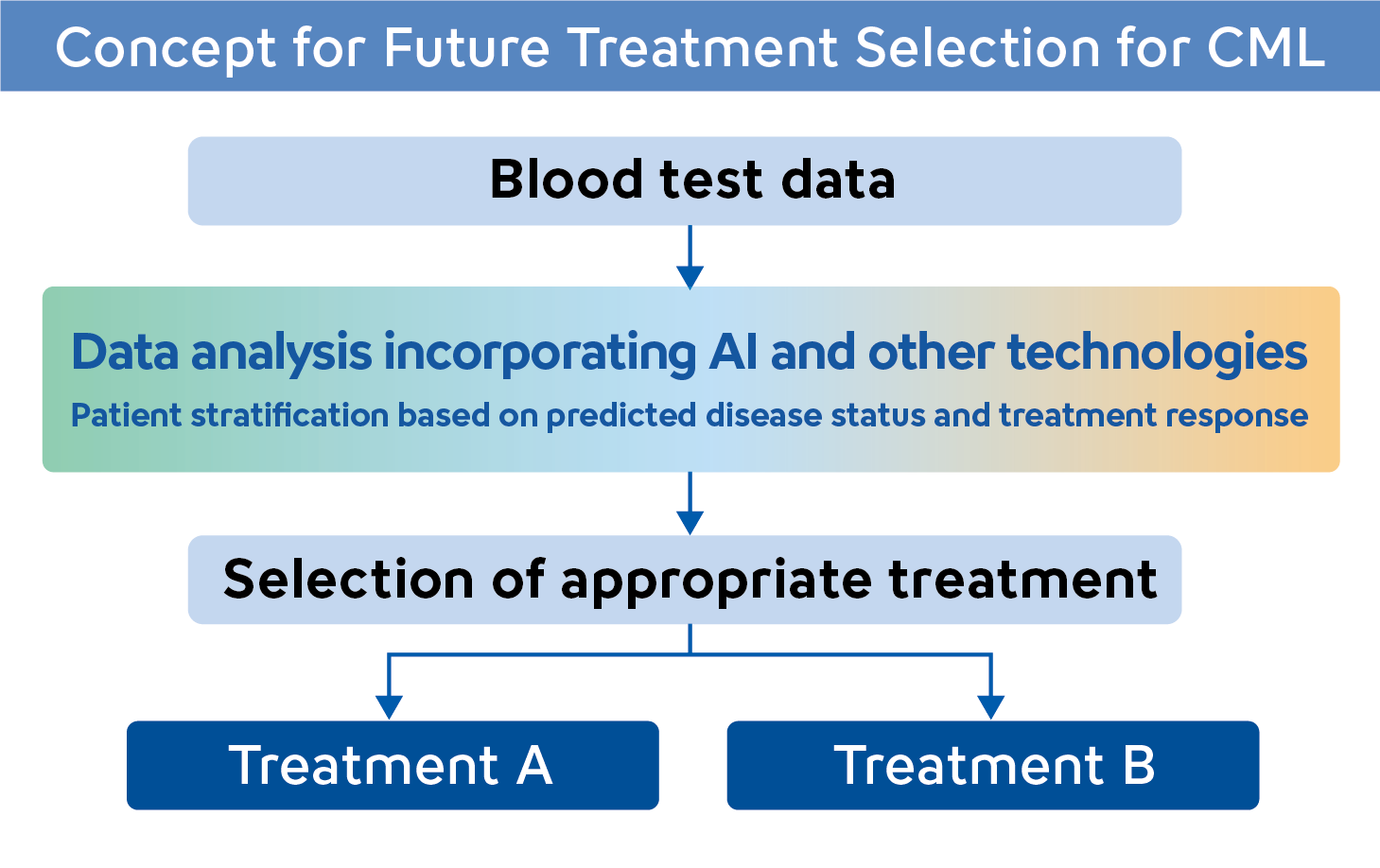
Sysmex, in collaboration with Juntendo University, conducted AI-based research aimed at supporting the early diagnosis of chronic myeloid leukemia (CML). This research found that statistical analysis of hematology data collected in routine clinical practice may help predict treatment response in patients with CML.
In current CML treatment, it is common to switch to another medication if the initial treatment does not provide sufficient therapeutic effect, or if side effects make it difficult to continue treatment. However, if treatment response could be predicted before therapy begins, physicians may be better able to select the most appropriate treatment strategy for each patient.
Personalized treatment may help reduce the physical, emotional, and financial burden on patients and improve their quality of life (QOL). Furthermore, reducing the need to switch treatments or medications may also contribute to lower healthcare costs.
A CML Scientist’s Vision and Commitment
Engaging with Patients’ Lives through the “Messages” in Blood Test Data
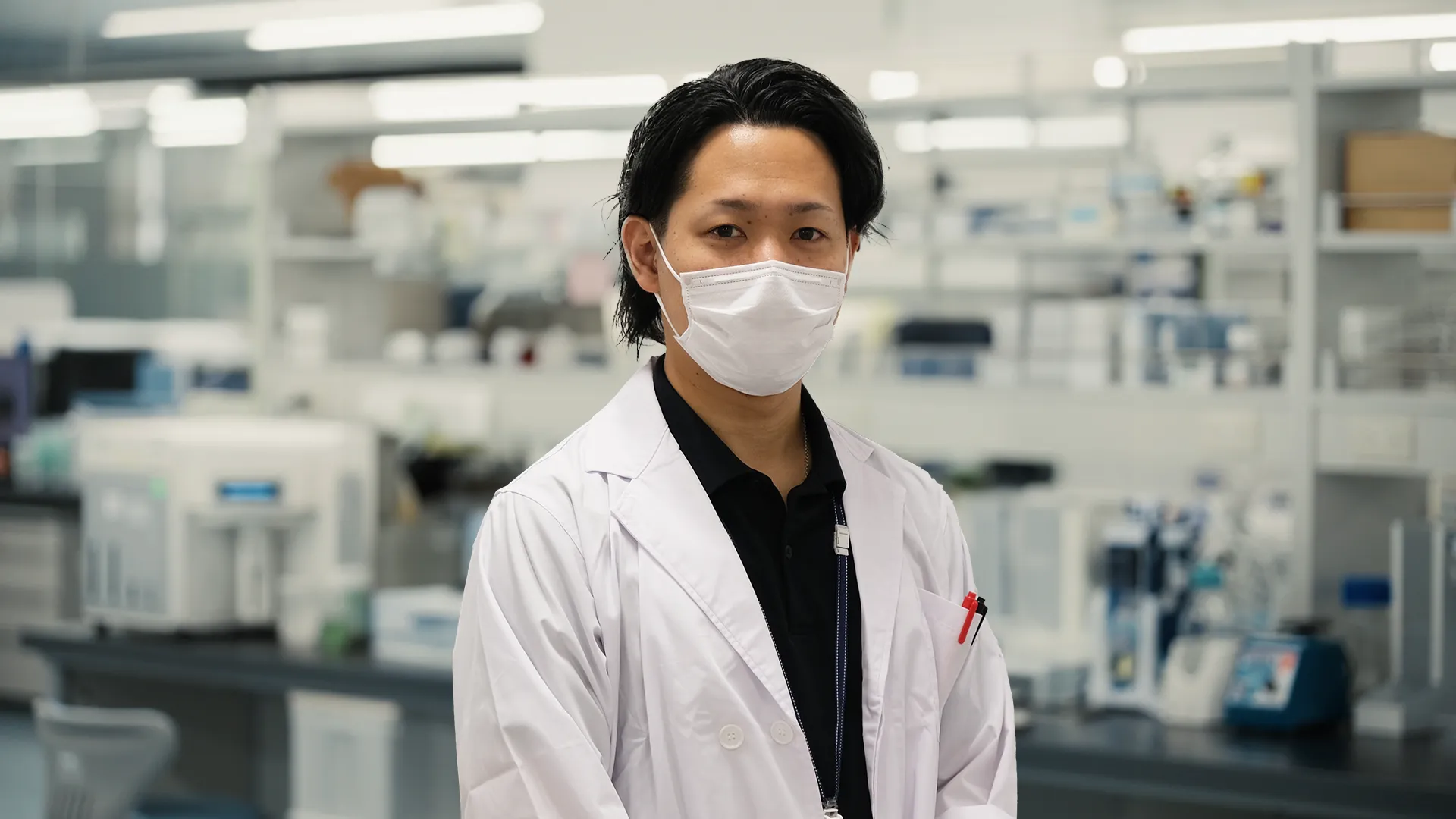
Kohjin Suzuki
Research Manager, Advanced Technology Development Center
Ph.D. (Medicine)
Sysmex Corporation
In our research, we work with large volumes of blood test data. I view each piece of data as a “message from the patient,” reflecting changes taking place within their body. My mission as a scientist is to interpret each of these messages scientifically and translate the insights gained into better diagnosis and treatment for patients.
Achieving this goal requires both a clinical perspective, which enables us to understand patients’ conditions and treatment courses, and a basic research perspective, which allows us to explore the underlying pathophysiological processes. My involvement in both healthcare and research, with diagnostic technologies at the core, has enabled me to bring these two perspectives together within a single research project. I believe this integration creates value that cannot be generated by AI or data alone.
The mechanisms underlying CML are now well understood, and long-term survival is possible with appropriate treatment. However, this does not mean that the burdens and challenges associated with treatment have disappeared. This is why clinical practice needs to focus not only on treating the disease but also on improving patients’ QOL.
By interpreting the messages conveyed through each patient’s blood test data, we can better support them throughout their treatment and in their lives beyond treatment. Through this research, I hope to contribute to the next step forward in healthcare.
As demonstrated in this CML research, combining high-quality blood test data with AI to predict changes in disease progression and treatment response—holds great promise for application across a wide range of disease areas.
Healthcare is essential for everyone, and in vitro diagnostics are the gateway to appropriate healthcare.
At Sysmex, we believe that the highly reliable data provided by in vitro diagnostics will serve as the foundation for the future of medical DX.
We are firmly committed to pursuing R&D to accelerate medical DX and support individuals throughout their healthcare journeys.

Tomokazu Yoshida
Director (Member of the Board) and Managing Executive Officer, CTO
Ph.D. (Pharmaceutical Sciences)
Sysmex Corporation
The Future of Medical DX: Guided by Reliable Data and Compassion
Data from in vitro diagnostics enables us to quantify the body’s condition, including in the pre-symptomatic stage, providing crucial information to support medical decision-making. The value of blood test data is further enhanced when combined with AI, making it possible to predict disease risk and enable personalized healthcare.
Yet the critical element of medical DX is not AI alone, but also the reliability of the underlying data. In a field where human lives are at stake, data containing noise or errors can hinder appropriate decision-making.
And no matter how high the quality of the data, the ultimate decision is in human hands based on the patient’s condition and test results. That is why it is vital to make the “tacit knowledge” accumulated by healthcare professionals visible and turn it into a shared asset. We need to articulate and digitize these thought processes and convert them into a format that AI can utilize so that the accumulated knowledge can be made accessible to everyone.
My hope for AI is that it will go beyond the mere pursuit of efficiency to embrace human compassion and provide optimal support for patients. By combining technology with human expertise, we can enhance the value of testing and shape healthcare so that it truly supports individual patients’ lives. I view this as my mission.